When shopping for a security camera system, one of the first questions many business owners ask is, “How many megapixels are the cameras?” While camera resolution is certainly important, it is often not the most important factor in capturing usable video. In fact, proper camera placement has a much greater impact on the effectiveness of a surveillance system than simply installing higher-resolution cameras.
A common misconception is that a single high-resolution camera can cover an entire parking lot, warehouse, or office and still provide enough detail to identify faces or read license plates. Unfortunately, that’s rarely the case. As the camera’s field of view increases, the amount of detail available for any one object decreases. Even a 4K camera cannot overcome poor placement or excessive viewing distances.
Professional camera system design begins by determining exactly what needs to be seen. Is the goal to identify a person’s face? Read a license plate? Monitor employee activity? Observe a cash register? Each objective requires different camera angles, lens selections, and mounting locations. Simply installing cameras in the corners of a building without considering these factors often results in footage that records an incident but fails to provide the detail needed afterward.
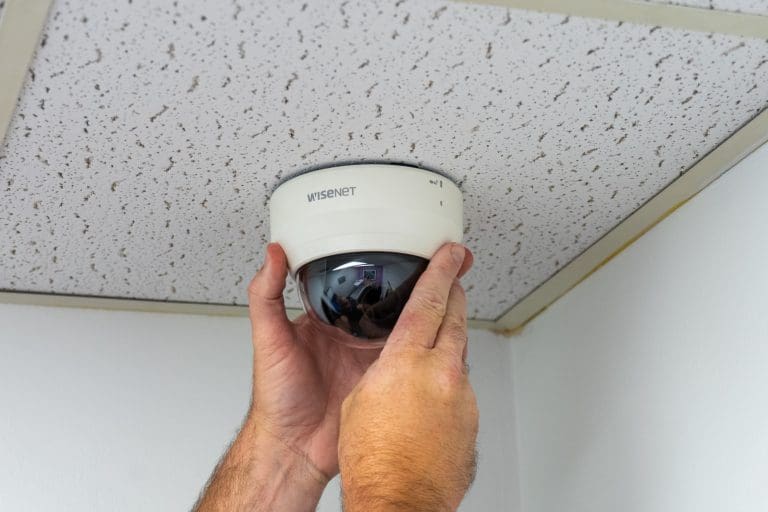
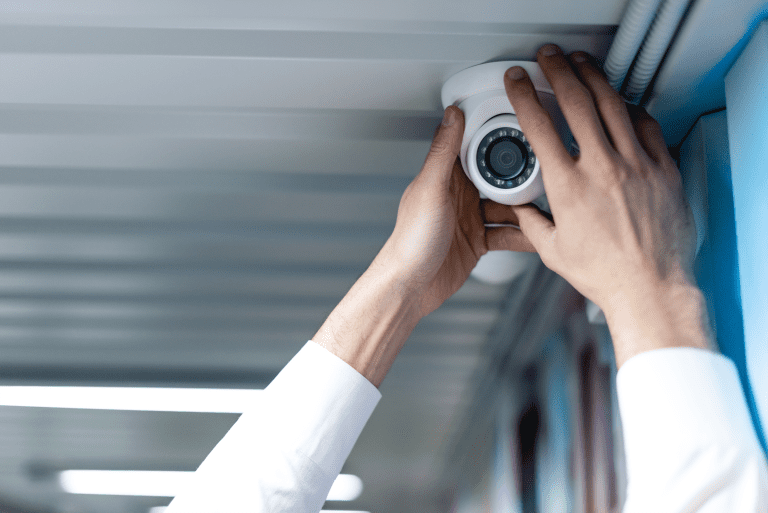
Another important consideration is camera height. Cameras mounted too high may provide an excellent overview of an area but often capture only the tops of people’s heads, making identification difficult. Cameras mounted too low may be vulnerable to tampering or vandalism. Finding the proper balance between coverage, security, and image quality is one of the key elements of professional camera design.
Lens selection also plays a critical role in camera performance. Wide-angle lenses are ideal for viewing large areas, but they spread available pixels across a broader field of view, reducing detail at greater distances. Varifocal lenses allow installers to fine-tune the viewing angle, providing better identification of people, vehicles, entrances, loading docks, or other critical areas. In many cases, several strategically placed cameras produce far better results than one camera with a higher resolution.
Lighting is another factor that is frequently overlooked. A camera aimed directly into sunlight, headlights, or brightly lit entrances can struggle to produce usable images regardless of its resolution. Evaluating lighting conditions throughout the day and selecting the appropriate camera technology helps ensure consistent image quality during both daytime and nighttime operation.
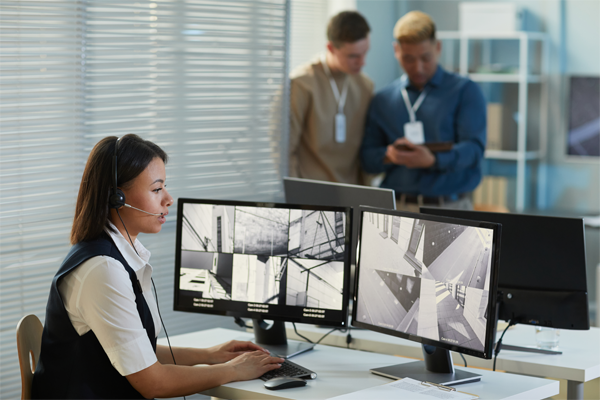
The most effective surveillance systems are designed around the specific needs of the facility rather than around camera specifications alone. A professional site evaluation considers building layout, traffic patterns, lighting conditions, viewing distances, and security objectives before determining the proper camera locations. This approach ensures that cameras capture the information that matters most when an incident occurs.
At Emery Communications, we design and install professional security camera systems for businesses throughout Dayton and Southwest Ohio. Our team focuses on creating surveillance solutions that provide meaningful coverage and not just simply installing the highest-resolution cameras available. By carefully selecting camera locations, lenses, and viewing angles, we help businesses maximize the value of their investment while ensuring they have the footage they need when it matters most.
Ready to Learn More?
If you’re planning a new camera system or wondering whether your existing cameras are providing the coverage you need, contact Emery Communications today. We’ll evaluate your facility and recommend a professionally designed solution that delivers clear, usable video where it counts, not just more megapixels.
Emery Communications
Service with Integrity Since 1991
Business Security Cameras • Business Telephone Systems • Structured Cabling
Serving Dayton, Ohio and the surrounding Southwest Ohio region.